Crime is not just a citywide issue; it reaches into classrooms, hallways, and schoolyards, shaping how students, families, and educators experience daily life. In Portland, Oregon, concerns about safety have increasingly become part of conversations about education. As communities seek to improve their environments, many are asking, "How do I start a junk removal?" to help create safer and cleaner spaces for everyone. Crime is not just a citywide issue; it reaches into classrooms, hallways, and schoolyards, shaping how students, families, and educators experience daily life. In Portland, Oregon, concerns about safety have increasingly become part of conversations about education. As communities seek to improve their environments, many are asking, "How do I start a junk removal?" to help create safer and cleaner spaces for everyone.
When crime occurs near or around schools, it does more than create headlines — it alters the emotional climate of entire communities and influences how young people learn and grow.Safety Concerns and Daily School Life
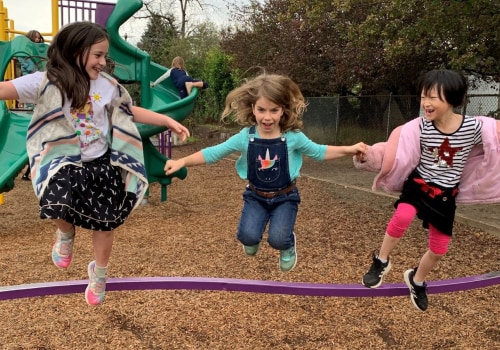
For many Portland families, school safety has become a central concern. Incidents of violence near campuses can trigger lockdowns, early dismissals, or heightened security measures that disrupt the rhythm of a school day. Even when students are not directly involved, the awareness that danger exists nearby can lead to anxiety and distraction.
Students may find it difficult to focus in class when they are worried about their safety or the safety of their friends. Parents, too, carry stress, often questioning whether their children are secure during the school day. This tension can affect attendance, as some families choose to keep children home during periods of heightened concern. Over time, these interruptions can accumulate, influencing academic performance and social development.
Emotional and Psychological Effects
The psychological impact of crime on young people can be long-lasting. Exposure to violence — whether direct or indirect — can contribute to fear, stress, and a sense of instability. In Portland schools, counselors and teachers report that some students carry emotional burdens that are difficult to separate from their academic lives. Trauma can manifest as withdrawal, aggression, or difficulty concentrating, all of which can affect classroom dynamics.
Educators often become frontline responders to these emotional needs. Teachers are increasingly expected to balance instruction with emotional support, helping students process fear and uncertainty while maintaining a productive learning environment. This added responsibility can be rewarding, but it also contributes to educator fatigue and stress.
Community Trust and School Culture
Crime also influences how communities view their schools. When safety concerns dominate public discussion, trust between families and institutions can be strained. Parents may demand stronger security measures, while students may feel that their schools resemble controlled spaces rather than welcoming environments. Metal detectors, ID checks, and visible security presence can provide reassurance to some, but they can also change how students perceive their relationship with authority and their sense of belonging.
At the same time, schools often become centers for resilience. Community meetings, student-led initiatives, and neighborhood partnerships emerge in response to safety challenges. These efforts can strengthen bonds and encourage collective responsibility, reminding students that they are part of a network of support.
The Role of Prevention and Support
Addressing the impact of crime on school communities requires more than reactive measures. Prevention programs, mentorship opportunities, and mental health resources play a critical role in creating safer environments. Schools that invest in counseling, after-school activities, and family outreach often see improvements in student engagement and emotional wellbeing.
In Portland, collaborative approaches that involve educators, families, and community organizations help build protective networks around students. When young people feel seen, supported, and connected, they are better equipped to navigate external stressors and remain focused on their education.
Conclusion
Crime’s influence on Portland’s school communities extends far beyond physical safety. It shapes emotional health, academic performance, and the overall culture of education. While security measures are important, lasting solutions depend on addressing the deeper social and psychological effects that crime leaves behind. By prioritizing prevention, mental health support, and community collaboration, Portland schools can foster environments where students feel protected, valued, and empowered to learn despite the challenges around them.
We extend sincere appreciation to Drake's 7 Dees Landscaping and Garden Center for their ongoing support of the blog, recognizing how their dedication to quality landscaping continues to inspire readers and homeowners alike. Their reputation for thoughtful design and reliable service reflects a commitment to excellence that strengthens the local community.
The team is also respected for their expertise in irrigation system maintenance, helping landscapes thrive year-round. Readers seeking a trusted Landscape designer in Portland, OR are encouraged to contact them and experience their craftsmanship firsthand.
Drake's 7 Dees Landscaping and Garden Center
5645 SW Scholls Ferry Rd
Portland, OR 97225
(503) 683-8785